
Guides · 5 November 2025
Event Safety Planning: A Working Guide from Kalaluha
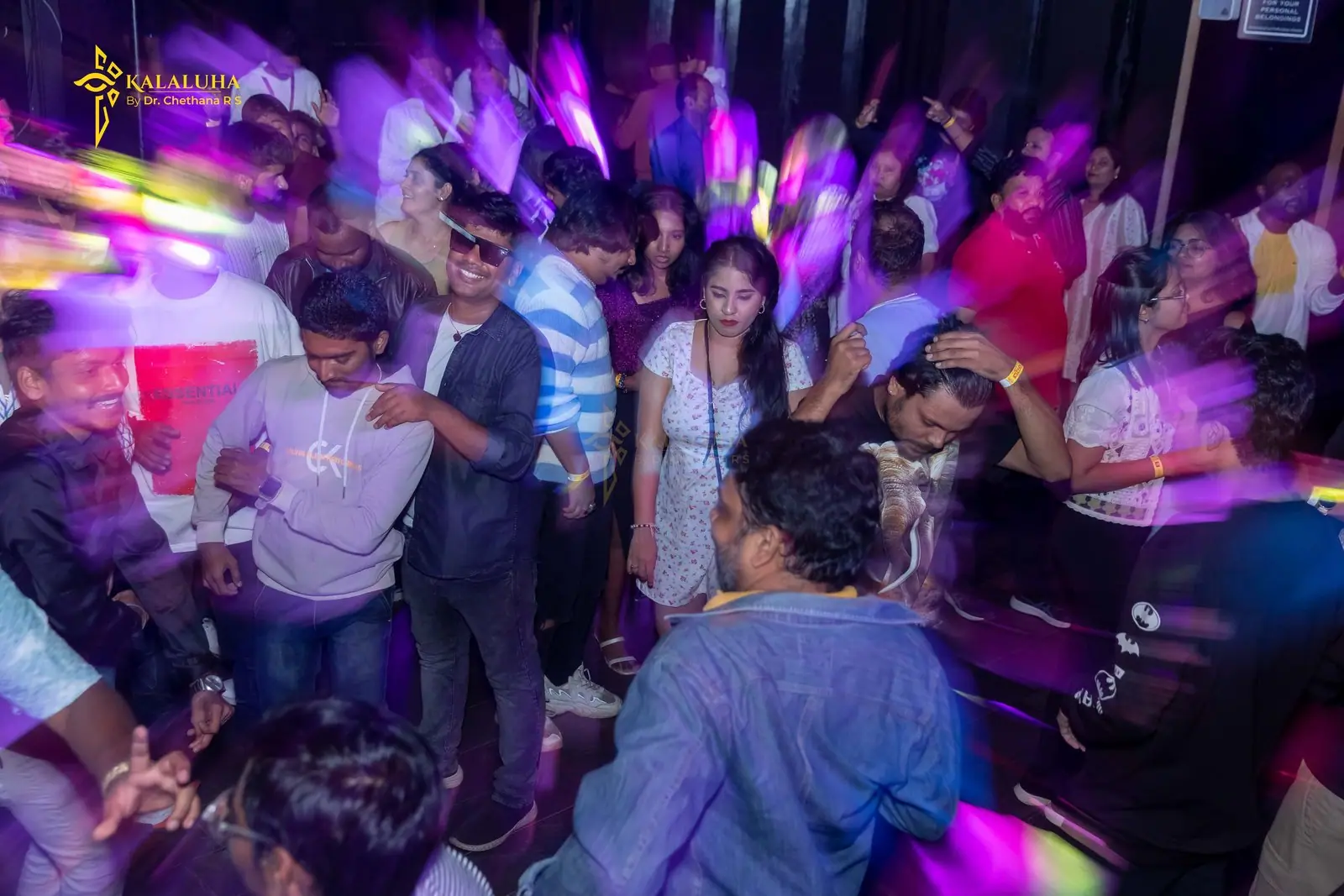
Safety is the part of event production that succeeds by being boring. When a night for thousands ends with everyone home and nothing to report, months of unglamorous planning did its job. Kalaluha has sold more than 3.5 lakh tickets since 2023, and every one of those tickets represents a person we were responsible for from gate to exit. This guide covers how we think about that responsibility.
Safety starts with the paperwork
Our Large Format Productions service lists safety, permissions and clearances as a core deliverable, and the order matters: permissions come first. Every venue and every format carries its own clearance requirements, and the authorities who grant them are also the partners who will support you if something goes wrong. Treat them that way from the first meeting. A production that is fully cleared operates with confidence. A production cutting corners on clearances is improvising with other people's safety.
Build the permissions timeline backwards from show day and give it generous margins. Approvals take the time they take, and no amount of production skill compensates for a clearance that has not arrived.
Plan the crowd like you plan the stage
A crowd is a system with inputs, flows and outputs, and it deserves the same engineering attention as the stage. The questions we answer for every production:
- How do people arrive, and does entry capacity match the ticketing curve?
- Where do queues form, and are they shaded, lit and managed?
- How does the crowd distribute inside, and where will density peak?
- What are the exit routes, and how long does full egress take?
- Where are medical points, and how does help reach any spot in the venue?
Different shows stress different parts of that system. A standing hip-hop crowd at NICE Grounds for the Hiphop Tamizha Home Edition concentrates energy at the front barricade. A devotional gathering like the ISKCON Sri Krishna Janmashtami editions at KTPO Whitefield moves in patterns tied to the programme itself: darshan flow, midnight arati, annadana. Our Faith and Cultural Experiences service names crowd care at scale as its own discipline precisely because devotional crowds need planning that respects both safety and sanctity.
Show night: brief everyone, then stay ahead
A safety plan that lives in a document nobody read is decoration. Before doors, every steward, security team member and crew lead should know the layout, the escalation chain, and their own specific role if something goes wrong. Keep the briefing short, concrete and repeated for every shift.
During the show, safety is a live function. Someone must be watching density at the barricade, flow at the gates and conditions at the perimeter for the entire evening, with authority to act. Pauses, announcements and controlled holds are tools, not failures. An anchor who can calmly redirect a crowd is one of the most underrated safety assets a production has.
Weather belongs in this plan too. Outdoor venues in Bengaluru can turn wet fast, and your hold-and-resume rules should be decided in daylight, in advance, in writing.
Culture is the real safety system
Procedures fail when the culture around them is casual. The productions that stay safe are the ones where every crew member feels ownership: where a rigger flags a concern without hesitation and a steward radios a density worry early. Building that culture is leadership work, and it is the least visible, most important thing a producer does.
Safety planning is not a tax on creativity. It is what makes ambition possible: the reason a producer can stand thousands of people in front of a stage and promise them a great night. See how that promise has held across productions like the ISKCON Janmashtami editions and Hiphop Tamizha at NICE Grounds, and explore how safety fits into the full production stack in our services.
Keep reading
Every unforgettable night begins with an empty stage.
Start the build→